
“Alone, we can do so little; together, we can do so much.”
~ Helen Keller
Operating Model
To help at-risk youth build positive habits and promote economic development, our operating model includes three complementary strategic initiatives in each underserved community we serve.
****

Mentoring
Deliver Asha’s Mentoring initiative is central to our strategy. Our programs help at-risk youth from underserved communities overcome obstacles, graduate from high school, and successfully transition into young adulthood.

Social Business
Deliver Asha’s Social Business initiative addresses the shortage of entry-level jobs and internships for young adults in underserved communities while meeting local needs for essential products and services.

Community Hub
Deliver Asha’s Community Hub initiative aims to establish welcoming venues where residents of underserved communities can access trustworthy information about essential services and openly share ideas for future projects that can enhance everyone’s quality of life.
****
Our Initiatives
Mentoring
Deliver Asha’s mentoring initiative is designed to support students entering high school who are at risk of dropping out. The initiative guides them through a structured four-year mentoring journey, helping them identify their personal values and beliefs and develop 10 essential life traits we believe are necessary for success. Through our mentoring initiative, we hope to instill in our mentees the confidence to make ethical life choices and break the cycle of poverty.
Highlights of our mentoring initiative:

Trust, Consistency & Continuity
Successful mentoring programs require trust and consistency. From the start of the pairing in grade nine through graduation, a span of four years, we aim to have the same mentor support each mentee throughout their mentoring journey.
Navigating the transition from adolescence to young adulthood presents new challenges. As a mentee’s mentoring journey typically ends around high school graduation, our mentors help them evaluate their next steps. Mentees who are passionate about pursuing a college degree aligned with their goals but lack the funds will be considered for scholarships.
No matter which path each alum chooses after graduation, our mentors remain available as trusted advisors, ready to support them.

Personalized Mentoring
Upon enrollment in our mentoring initiative, our mentors collaborate with each youth to create a personalized mentoring journey map outlining the steps to follow. These maps are based on a mutual understanding of the youth’s career interests, values, strengths, external challenges, and areas for growth.
Periodically, our mentors meet individually with each youth and their teachers to review progress on the mentoring journey and adjust plans as needed. If potential barriers to learning are identified in the youth’s environment outside the classroom, our mentors work to remove them with support from partner social service organizations.

Structured Mentoring Journey
The cornerstone of our mentoring initiative introduces and reinforces five core values and five skills. When paired with a high school education, these ten essential life traits can position students to lead fulfilling adult lives aligned with their aspirations.
The mentoring workshops are held three days a week after regular school hours, primarily on school grounds during the school year. Most mentoring workshops use cooperative learning methods, particularly the inquiry-based learning principles and the jigsaw method. The exercises and lesson plans for the mentoring workshop feature interactive exercises and case studies that present, explore, and cultivate the ten essential life traits in typical real-life societal scenarios.
In addition to structured classroom sessions, the workshops include field trips and community projects beginning in the junior year. The field trips reinforce the learning goals by broadening mentees’ perspectives and introducing them to real-world organizations in both the private and public sectors. The community improvement projects instill in mentees the value of paying it forward and provide students with practical experience in essential skills, including communication, teamwork, problem-solving, and project management.
Social businesses are profit-oriented companies specifically created to address social problems. They seek to cover all costs through profits while also delivering positive social outcomes, such as alleviating poverty. Unlike nonprofits, effectively managed social businesses can sustainably achieve their social objectives without relying on donations.
Deliver Asha’s social business initiative aims to establish social businesses that achieve two main objectives: revitalizing the community by addressing gaps in essential products or services and creating employment opportunities, especially for unemployed young adults.
Highlights of our social business initiative:

Economic Revitalization
All products and services provided by social businesses owned and operated by Deliver Asha are decided collaboratively, with substantial input from local stakeholders and residents. Profits are reinvested to either expand current social businesses or establish new ones that meet other unmet needs within the same community.
Local residents or interns eager to pursue their entrepreneurial passions and make a positive difference in their community by addressing urgent local needs can qualify for limited seed funding to launch new social businesses, with additional operational support from the Deliver Asha team.

Career Preparation
Beyond creating employment opportunities, Deliver Asha’s social businesses will offer internship programs. Unlike traditional programs, our internship programs emphasize the essential interpersonal skills and competencies that enable adults to succeed as valuable contributors to organizations or as independent artists and entrepreneurs.
The interns learn why clear communication and smooth handoffs between teams are essential to delivering quality outcomes on time. They practice giving and receiving constructive feedback and handling unexpected supply-chain issues, such as delays in receiving raw materials from vendors.
Before completing their internship, interns consult with Deliver Asha coaches to discuss future options, including attending college or vocational training, finding a job, starting a business, or volunteering. Regardless of their choice, Deliver Asha coaches remain available to support them in their quest, upon request.
Community Hub
To build an authentic, long-term presence in underserved communities, our initial step is to open an office in an accessible location where residents can gather to exchange and access information that truly benefits their lives, both personally and as part of the community.
Highlights of our community hub initiative:

Referral Services
We recognize that numerous nonprofit and for-profit organizations already play a crucial role in improving the quality of life for individuals in underserved communities.
Our team builds trusted relationships with team members from organizations that have a proven, reliable track record of serving the community. Types of organizations include healthcare facilities, housing and transportation assistance agencies, career placement programs, neighborhood safety groups, and food pantries.
When residents request our assistance, these alliances and partnerships enhance our capacity to help them understand organizational processes and achieve quick, successful outcomes with reputable service providers.

Community Revitalization
The community hub also serves as a venue where residents and key stakeholders from both the private and public sectors come together to collaborate, identify, and prioritize projects that can truly strengthen the community’s infrastructure and improve life for everyone.
Our team periodically holds community forums to identify and prioritize projects residents want implemented to improve their quality of life. These forums follow a structured process that helps the community confidently identify and prioritize revitalization opportunities, ensuring they receive the support needed to fund and coordinate impactful improvement projects.
Impact Measures
Key Metric
A single long-term impact measure motivates and inspires the Deliver Asha team across all our initiatives.
"Do at least 80% of our mentees and interns who complete our programs pursue fulfilling careers that match their goals and serve as positive role models in their communities?"
We anticipate sharing results and personal success stories roughly four to five years after Deliver Asha establishes a presence in an underserved community.
Ongoing Metrics
Given that Deliver Asha’s strategy is designed to achieve long-term outcomes, our success will depend on our ability to build lasting trust among mentors, mentees, stakeholders, and community members.
Therefore, we plan to track ongoing metrics that ensure the consistent execution of our three strategic initiatives.
Mentee attendance
Feedback will be used to ensure mentees view workshop sessions as engaging, fun, valuable, and worth attending regularly. This is especially important because the case studies use the jigsaw method, and full attendance is essential to meet the learning objectives.
Tenure and retention rate of mentors
Feedback will be used to create and sustain a supportive work environment that attracts and retains dedicated, qualified mentors who deliver consistent messaging and build trust with at-risk youth.
Net Promoter Score (NPS) from key stakeholder groups
Feedback will be used to ensure that all activities related to Deliver Asha’s three strategic initiatives align with our mission and meet the community’s needs.
The stakeholder groups surveyed will include mentors, at-risk youth, teachers, parents or guardians, community leaders, partner organizations, donors, and foundations.
Essential Life Traits
Life traits are distinct qualities, characteristics, or tendencies that others notice in our behavior or personality.
At Deliver Asha, after extensive research aligned with our mission, we have identified five core values and five key skills, totaling 10 essential life traits.
Integrating five universal core values with five key skills, complemented by a high school education, can effectively equip students to manage independence and the complexities of careers, relationships, and finances, leading to a balanced life that reflects their personal values and aspirations.
Five Core Values
Values are foundational personal qualities we embrace as standards for positive behavior. When individuals adopt these five values, we believe society benefits from a stronger sense of community, social cohesion, innovation, compassion, and overall well-being for everyone.

Practice Gratitude
Practicing gratitude involves taking the time to notice and appreciate the good things in life, regardless of their size, and acknowledging the source of these positive experiences. This practice has been shown to enhance overall well-being, strengthen relationships, boost resilience during challenging times, and foster a more optimistic outlook on life, ultimately leading to a greater sense of happiness and connection

Exercise Personal Agency
Exercising personal agency means recognizing your ability to make choices, take initiative, and intentionally shape your life circumstances and outcomes. This strengthens self-efficacy, resilience, and a sense of purpose, enabling people to actively shape their future rather than passively reacting to it.

Maintain Outward Mindset
Practicing an outward mindset involves actively recognizing others as individuals with their own needs, goals, and challenges, and adjusting your efforts to support them effectively. This leads to better relationships, increased collaboration, greater empathy, and improved collective outcomes, as the focus shifts from personal success to the well-being and success of everyone involved.

Embrace Curiosity & Learning
Embracing curiosity and learning involves engaging openly with the world, asking questions, seeking new knowledge, and being eager to understand different perspectives. The result is ongoing personal growth, improved problem-solving skills, greater flexibility to adapt to change.

Model Trust & Integrity
Modeling trust and integrity means consistently behaving honestly, dependably, and ethically, showing that your words and actions match. This creates strong, secure relationships built on mutual respect and confidence, helping others feel safe, valued, and more likely to act with similar trustworthiness.
Five Key Skills
Skills are essential processes we develop to perform effectively and help us reach our full potential. We believe that honing these five skills builds individuals’ confidence to navigate everyday life effectively, especially as roles and responsibilities evolve with age.

Decision Making
Practical decision-making skills are essential because they enable people to analyze situations, weigh the advantages and disadvantages, and choose actions that align with their goals and values. This ability allows them to make informed career decisions, manage their finances wisely, and make healthier relationship choices, all while avoiding risky behaviors.

Collaboration
Collaboration skills are important because they help people work well with others, using different strengths and viewpoints to reach common goals. This results in benefits like success in team projects, making valuable contributions at work, and developing stronger, more supportive social networks where teamwork leads to better outcomes.
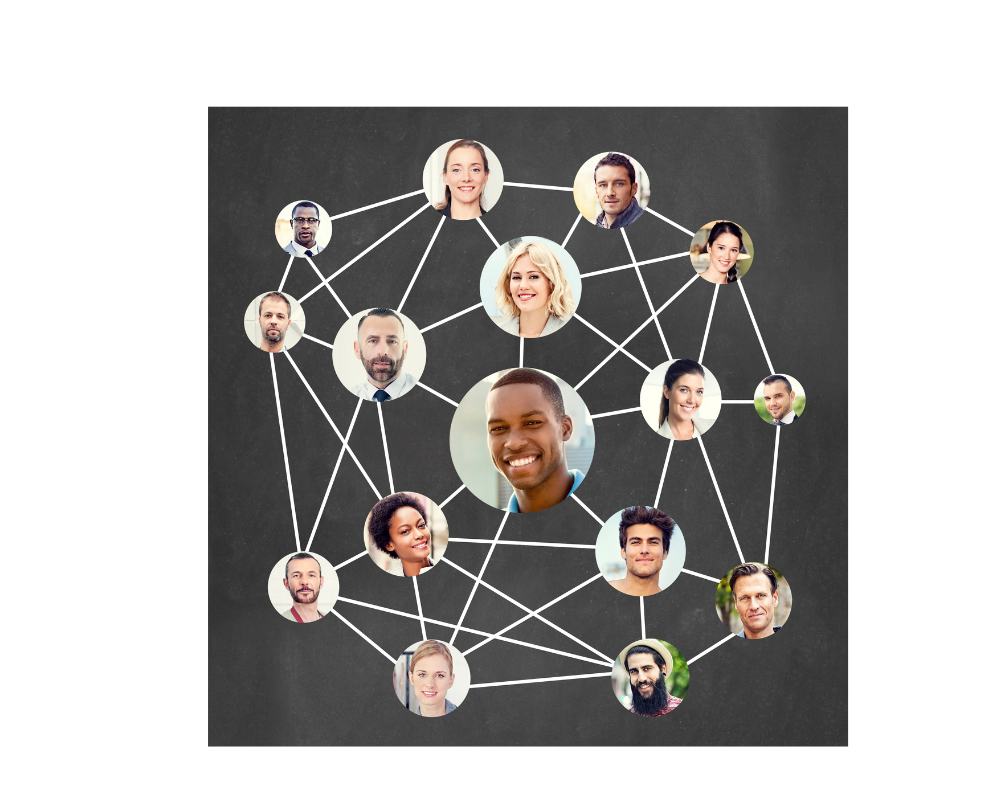
Communication
Strong communication skills are crucial because they help people express themselves clearly, leading to a better understanding of others. This, in turn, provides several benefits, such as easier management of friendships and relationships, improved performance in group projects and job interviews, and more effective conflict resolution without unnecessary drama.
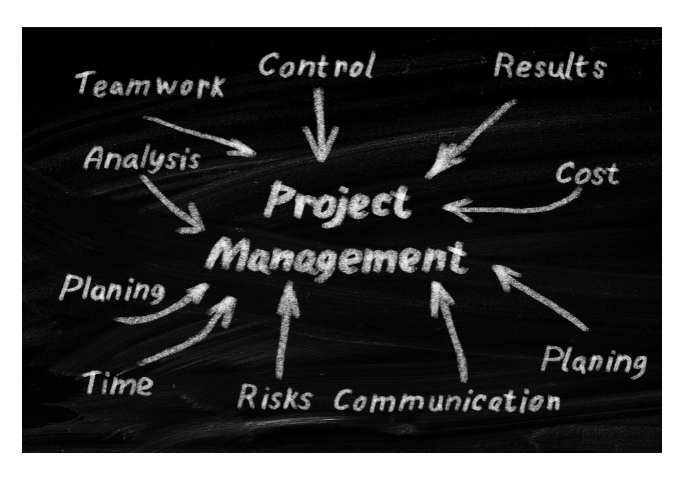
Management
Strong management skills help us manage our time efficiently among daily tasks, confidently plan projects with successful results, and build a reputation for dependability by consistently meeting commitments and deadlines. The skill allows individuals to plan, organize, and complete tasks or projects effectively from start to finish, even when resources are limited.

Critical Thinking
Critical thinking is crucial because it helps people predict potential outcomes, plan for the long term, and adjust their actions to reach complex goals. This leads to advantages such as creating a strong plan for college and career goals, making wise financial decisions that promote success, and managing complicated social situations with foresight to avoid problems.
Social Business